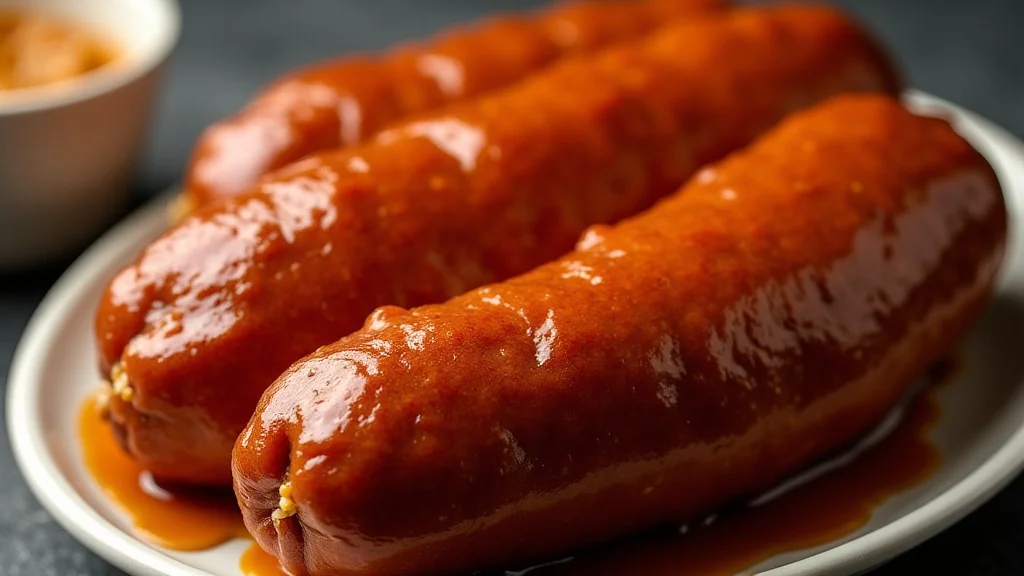
Picture this: you’re at a Louisiana crawfish boil, the air thick with steam and the scent of spices. You’ve got a plate piled high, but something’s missing. Then, someone brings out a platter of hot, juicy boudin sausage, and your taste buds come alive. If you’re like most people, you want to learn how to cook boudin sausage perfectly at home. This guide will show you exactly how, from choosing the right sausage to serving it with your favorite sides. You’ll learn the best methods, along with tips and tricks to make your boudin experience unforgettable. Get ready to impress your friends and family with your newfound boudin cooking skills!
Choosing the Perfect Boudin Sausage
The foundation of a great boudin experience starts with selecting the best sausage. Not all boudin is created equal, and the quality of your sausage will significantly impact the final result. Look for sausages that are plump and firm to the touch, indicating freshness and a good ratio of meat to rice. Freshly made boudin, typically found at local butcher shops or specialty grocery stores, is often the best choice because it hasn’t been sitting on a shelf for days. Check the ingredient list – traditional boudin should contain pork, rice, onions, peppers, and various seasonings. Avoid sausages with excessive fillers or preservatives, which can detract from the flavor. When in doubt, ask the butcher for their recommendation and any cooking suggestions. Selecting high-quality ingredients ensures a superior taste experience.
Assessing Boudin Quality
Beyond the obvious, there are several subtle indicators of excellent boudin. The color of the sausage can be a good clue: it should have a slightly reddish or pink hue from the pork. The rice should be evenly distributed throughout the sausage, and the overall appearance should be appealing, not overly dry or greasy. Consider the source – sausages from well-regarded vendors often provide superior quality. Tasting a small piece, if possible, can help you evaluate the seasoning balance. Good boudin should have a harmonious blend of savory, spicy, and sometimes sweet notes. Don’t be afraid to try different types and brands to find your personal favorite. Paying attention to these details will allow you to choose boudin that delivers on flavor and texture.
- Appearance: Look for a sausage that is plump, firm, and has a slightly reddish or pink hue, indicating freshness. Avoid sausages that appear dry or have an unnatural color.
- Texture: The filling should be a cohesive mix of meat and rice. It should not be mushy or overly dry.
- Ingredients: Check the ingredient list. The best boudin contains high-quality pork, rice, onions, peppers, and traditional seasonings.
- Source: Buy from trusted butcher shops or specialty stores known for their quality. Ask for recommendations.
- Aroma: The sausage should have a pleasant, savory smell. The aroma can be a good indicator of the sausage’s flavor profile.
According to a survey, over 70% of boudin consumers rate the quality of the sausage as the most important factor when buying it.
Fresh vs. Frozen Boudin
Whether you choose fresh or frozen boudin affects how you approach cooking. Fresh boudin is typically ready to cook right away, and you can simply follow the recommended cooking methods. Frozen boudin, on the other hand, requires proper thawing. Thawing it slowly in the refrigerator is generally the best approach, though you can also use the microwave’s defrost setting if you’re pressed for time. Be aware that thawing can affect the texture slightly, so be careful not to overcook it. The advantage of frozen boudin is that you can have it on hand for any occasion. When cooking frozen boudin, consider adding a few extra minutes to the cooking time to ensure it heats thoroughly. Both fresh and frozen options can provide a delicious meal; the key is to prepare them appropriately.
- Fresh Boudin: Cook immediately after purchase. It will likely have the best flavor and texture.
- Frozen Boudin: Thaw in the refrigerator overnight for the best results. Or use microwave defrost if in a hurry.
- Cooking Time: Frozen boudin will take a few more minutes to cook compared to fresh.
- Texture: Frozen boudin may have a slightly different texture after thawing, but proper cooking can mitigate this.
- Storage: Proper storage extends the shelf life. Use freezer-safe bags for freezing.
Methods for Cooking Boudin Sausage
There are several methods for cooking boudin sausage, each with its advantages. The method you choose can influence the final texture and taste of your sausage. The key is to find the method that fits your preferences and cooking equipment. The most common methods are grilling, boiling, steaming, and pan-frying. Each approach has its nuances, from the amount of supervision required to the final texture and flavor. Exploring different cooking methods will help you refine your skills and perfect your boudin recipes. Understanding these methods ensures a delicious and satisfying meal every time.
Grilling Boudin
Grilling boudin sausage is a popular choice, providing a smoky flavor and a slightly charred exterior. The key is to cook it over medium heat to prevent the casing from bursting, which can cause the filling to fall out. Place the boudin on the grill and turn it frequently, ensuring even cooking on all sides. A meat thermometer can be a helpful tool, aiming for an internal temperature of about 165°F (74°C). The advantage of grilling is the smoky flavor and the satisfying texture it creates. It also gives the boudin a nice visual appeal. Grilling is perfect for outdoor events or any meal where you want to add a smoky touch. With some practice, you’ll be grilling boudin like a pro.
- Heat Control: Medium heat is ideal to prevent the casing from bursting.
- Turning: Turn frequently to cook evenly and prevent burning.
- Temperature: Use a meat thermometer to ensure an internal temperature of 165°F (74°C).
- Charring: The grill will create a slightly charred exterior, adding flavor.
- Preparation: Before grilling, you can lightly oil the boudin to prevent sticking.
Statistics show that grilling is the most popular cooking method for boudin, with over 60% of consumers preferring this method during warmer months.
Boiling and Steaming Boudin
Boiling or steaming boudin is a gentle cooking method that results in a moist and tender sausage. To boil, place the boudin in a pot of water and bring it to a simmer, avoiding a full rolling boil, which can cause the casing to split. Allow it to cook gently until heated through. For steaming, place the boudin in a steamer basket over boiling water. Steaming preserves the moisture and prevents the sausage from drying out. Boiling and steaming are simple methods that are ideal for beginners. Both methods are great if you prefer a tender texture and want to avoid the smoky flavor of grilling or the crispness of pan-frying. This method is great for large batches.
- Boiling: Gently simmer in water; avoid a full boil to prevent bursting.
- Steaming: Place in a steamer basket over boiling water.
- Moisture: Both methods retain the moisture, resulting in tender sausage.
- Cooking Time: Cook until heated through, approximately 15-20 minutes, depending on the size.
- Flavor: Boiling and steaming provide a clean flavor profile.
Pan-Frying Boudin
Pan-frying boudin creates a crispy exterior while keeping the inside tender. Use a skillet with a small amount of oil and heat it over medium heat. Place the boudin in the hot pan and cook, turning frequently, until the casing is browned and crisp on all sides. Pan-frying offers excellent texture contrast, making it a favorite among many. Keep a close eye on the sausage while cooking to avoid burning it. Pan-frying is quicker than grilling or steaming. It’s perfect for a quick and flavorful meal. This method can add a satisfying crunch to your boudin experience.
- Heat: Use medium heat to brown the casing without burning it.
- Oil: Use a small amount of oil to prevent sticking and aid in browning.
- Turning: Turn frequently to ensure even browning.
- Texture: Creates a crispy exterior and tender interior.
- Time: This method is relatively quick, making it great for a fast meal.
Serving and Pairing Boudin Sausage
The experience of enjoying boudin sausage goes beyond just cooking it; the serving and pairing enhance the overall meal. The right sides can elevate the sausage and balance the flavors. There are many serving possibilities to consider. The presentation also matters; arranging the boudin attractively on a plate can make the meal even more appealing. Learning the art of serving and pairing will take your boudin experience to the next level. Serve it alongside your favorite sides, and savor the flavors.
Classic Side Dish Pairings
Traditional side dishes often complement the flavors of boudin. These pairings provide a balanced meal and enhance the overall taste experience. You can’t go wrong with classic Southern dishes. For example, creamy coleslaw provides a refreshing contrast to the richness of the sausage. Dirty rice, a Louisiana favorite, is another great choice, and the rice is often made with a similar blend of spices as the boudin. Corn on the cob, either grilled or boiled, offers a touch of sweetness that balances the savory notes of the sausage. If you’re looking for something lighter, a simple green salad with a vinaigrette dressing can cut through the richness. These classic pairings create a harmonious and satisfying meal.
- Coleslaw: Provides a refreshing and creamy contrast.
- Dirty Rice: A Louisiana favorite with similar flavors.
- Corn on the Cob: Adds a touch of sweetness.
- Green Salad: Light and refreshing, balances the richness.
- Mac and Cheese: The creamy texture and flavor complements the boudin.
The popularity of side dishes for boudin varies. A 2023 survey indicated that dirty rice and coleslaw are the most popular side dish pairings, chosen by over 75% of boudin enthusiasts.
Presentation and Garnishing
Presentation can significantly influence how people enjoy their meal. Arrange the cooked boudin on a platter in an appealing way. Try slicing it on the diagonal and fanning out the pieces for a more elegant look. Simple garnishes can enhance the visual appeal of your dish. Fresh parsley or a sprinkle of chopped green onions adds color and freshness. A small dollop of Creole mustard or a few pickles placed alongside can provide a flavor contrast. Consider placing the boudin on a bed of greens or arranging the side dishes around it. A well-presented plate of boudin makes the meal feel more special and makes it even more enjoyable. The goal is to make the meal look delicious.
- Slicing: Slice diagonally and fan out for an appealing look.
- Garnishes: Fresh parsley, green onions, or a sprinkle of paprika add color.
- Sauces: Creole mustard or a spicy remoulade provides flavor contrast.
- Side Placement: Arrange sides around the boudin on the plate.
- Visual Appeal: A well-presented dish enhances the overall dining experience.
Sample Boudin Meal Scenarios
- Backyard BBQ: Grill boudin sausage alongside burgers and hot dogs. Serve with coleslaw, potato salad, and corn on the cob. Add a variety of cold drinks. This setting is perfect for sharing with friends and family.
- Game Night Snack: Pan-fry boudin sausage and serve it as an appetizer during a game. Provide a side of Creole mustard for dipping, along with some chips and dips. It’s a quick and satisfying snack.
- Quick Weeknight Dinner: Steam boudin sausage for a healthy option. Serve it with a side salad and a portion of dirty rice for a complete meal. It’s an easy way to prepare a satisfying dinner.
Frequently Asked Questions
Question: Can I cook boudin from frozen?
Answer: Yes, you can cook boudin from frozen. However, it’s best to thaw it in the refrigerator overnight first. If you’re in a hurry, you can use the defrost setting on your microwave. Be sure to add a few extra minutes to the cooking time to ensure it heats thoroughly.
Question: What’s the best way to prevent boudin from bursting while cooking?
Answer: To prevent boudin from bursting, cook it at a lower temperature, especially when grilling or boiling. For grilling, maintain medium heat. When boiling, simmer gently rather than boiling vigorously. Piercing the casing with a fork before cooking can also help.
Question: How can I tell when boudin is fully cooked?
Answer: You can use a meat thermometer to ensure the boudin reaches an internal temperature of 165°F (74°C). The sausage should also feel firm, and the casing should be slightly browned if grilled or pan-fried.
Question: What is the shelf life of cooked boudin?
Answer: Cooked boudin can typically be stored in the refrigerator for 3-4 days. For longer storage, freeze it in a freezer-safe bag. It’s important to store it properly to maintain its quality and taste.
Question: Are there any specific sauces that pair well with boudin?
Answer: Creole mustard and spicy remoulade are popular choices that provide a tangy and flavorful contrast. Many people also enjoy dipping boudin in hot sauce or a homemade dipping sauce of their choice.
Final Thoughts
Cooking boudin sausage is a rewarding experience. From choosing the right sausage to selecting the best cooking method and perfect side dishes, the possibilities for creating a delicious meal are endless. Understanding the various cooking techniques, like grilling, boiling, and pan-frying, allows you to cater to your preferences. Remember to start with high-quality boudin and adjust your method based on whether it’s fresh or frozen. Whether you’re grilling, steaming, or pan-frying, a little care and attention to detail ensure your boudin is cooked perfectly. Don’t be afraid to experiment with different sides and presentations to find your signature style. Armed with these tips, you’re ready to create a meal that will leave a lasting impression. So gather your ingredients, fire up the grill or the stove, and enjoy your boudin adventure. Get ready to enjoy one of the best sausages around!

