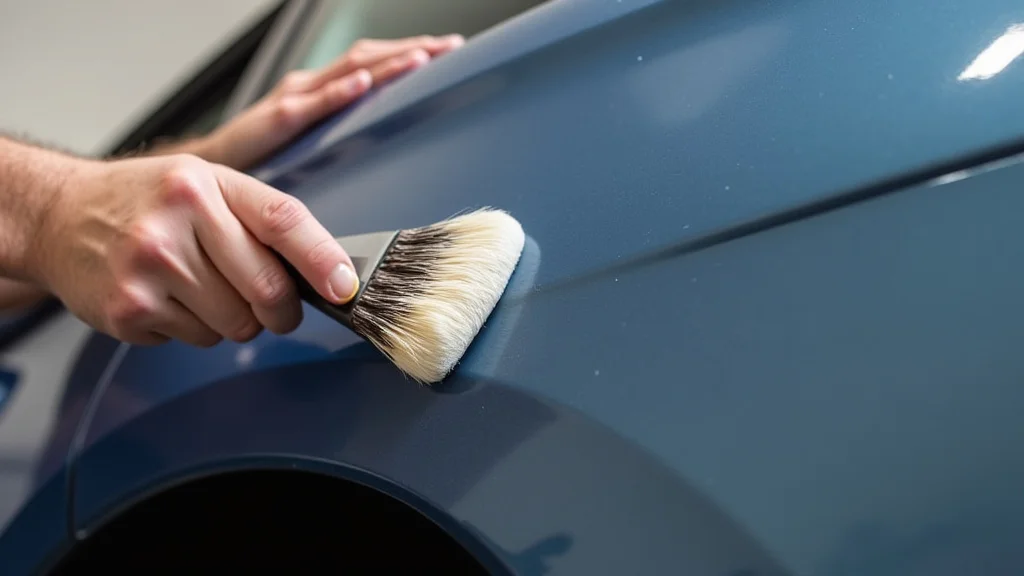
Picture this: you’re walking back to your car, ready to head home after a long day, and you spot it – a tiny, unsightly paint chip on your pristine car door. It’s a common frustration for car owners, a small blemish that can slowly but surely chip away at your car’s appearance and potentially lead to rust. This guide explores how to fix car paint chips effectively, offering practical advice and step-by-step instructions. You’ll learn the tools you need, the techniques involved, and how to keep your car looking its best. The goal is to equip you with the knowledge to maintain your car’s value and keep it in top shape, making you more confident when you spot those little imperfections. This post will give you the details to tackle the problem like a pro, improving your car’s appearance and preventing further damage.
Understanding Car Paint Chips and Their Impact
Car paint serves a crucial role, protecting the underlying metal from the elements. Tiny chips in the paint are more than just cosmetic issues; they expose the bare metal to moisture and oxygen, initiating the rust process. Rust spreads quickly and can become a serious problem. It’s important to address these issues promptly.
What Causes Car Paint Chips?
Paint chips are often caused by small stones and debris kicked up by other vehicles or even the car itself. These projectiles can hit the car at high speeds, leaving tiny craters in the paint. Other causes include everyday wear and tear, such as door dings in parking lots and minor scratches from bushes or contact with objects. These seemingly minor incidents can chip the paint, initiating a process that, if unaddressed, can lead to corrosion and significantly reduce the value of your vehicle.
- Road Debris: Small rocks, gravel, and other debris on the road are the primary culprits, often impacting the front of the vehicle, the hood, and around the wheels.
- Environmental Factors: Exposure to extreme weather conditions, such as high heat and sunlight, can weaken the paint over time, making it more susceptible to chipping.
- Accidents and Incidents: Even minor collisions or contact with objects, like parking lot mishaps, can lead to paint chips.
- Poor Paint Quality: In some cases, the original paint application might not be as durable as it should be, increasing the likelihood of chips.
The severity of the chip can vary, from barely noticeable flecks to larger areas where the metal is visible. Identifying the size and depth of the chip will help you determine the appropriate repair method. Chips that are deep and expose the metal are generally more urgent to fix than superficial scratches, as they are more prone to rust. The faster you act, the less damage your car will sustain.
The Consequences of Ignoring Paint Chips
Ignoring how to fix car paint chips can lead to serious consequences that affect both the appearance and the structural integrity of your vehicle. The most immediate impact is the aesthetic damage; a car covered in paint chips looks worn and neglected. But, the problems go deeper than just the surface.
- Rust Formation: Exposed metal from paint chips is vulnerable to rust. Rust spreads rapidly, eating away at the metal and leading to costly repairs.
- Reduced Resale Value: A car with visible paint damage and rust will have a significantly lower resale value. Buyers will likely point out any paint issues and adjust their offers.
- Structural Damage: If rust is left untreated, it can spread to other parts of the vehicle, causing more significant structural problems that may impact the safety and reliability of the car.
- Increased Repair Costs: Small paint chips are relatively inexpensive to fix. As the damage spreads, repairs become more extensive, costly, and time-consuming.
Rust, in particular, can rapidly spread once it forms, leading to further damage and costly bodywork. Addressing paint chips promptly is a wise investment in your vehicle’s upkeep and financial value. Consider that a small touch-up today can prevent a major, expensive repair tomorrow. The best approach to maintain your car is with preventive action and regular inspections.
Essential Tools and Materials for Paint Chip Repair
Successfully repairing how to fix car paint chips requires the right tools and materials. It’s not a complicated process, but having the proper equipment on hand will make the job easier and ensure better results. Here’s a comprehensive list of what you’ll need.
Gathering Your Supplies
Before you begin, gather all the necessary supplies. Doing so allows you to work efficiently. You can find most of these materials at your local auto parts store or online. Make sure you match the paint color precisely with your vehicle’s paint code, which can be found on a sticker usually inside the driver’s side door jamb or in your car’s owner’s manual. Verify the color code before starting, because even slight variations can make the repair more noticeable.
- Touch-up Paint: This is the most critical item. Ensure the paint matches your vehicle’s color code. You can buy touch-up paint pens or small bottles with applicators.
- Clear Coat: This protects the touch-up paint and provides a smooth finish. It’s important to use clear coat to blend the repair with the surrounding paint.
- Primer: A primer is necessary for repairs that expose bare metal. It provides a base for the touch-up paint and helps it adhere to the surface.
- Paint Thinner or Wax and Grease Remover: Used to clean the area before and after applying paint.
- Microfiber Cloths: These are ideal for cleaning and wiping surfaces without scratching the paint.
- Fine-grit Sandpaper (2000-grit or higher): Used to smooth the repaired area and blend it with the surrounding paint.
- Wax and Polish: Applied after the repair to protect the paint and restore shine.
- Mixing Sticks and Cups: For mixing primer and paint if needed.
- Masking Tape: To protect the surrounding areas from paint.
Choosing high-quality materials ensures a durable and aesthetically pleasing result. Consider the specific needs of your car’s paint and any existing damage. Proper preparation, including careful cleaning and sanding, is key to the repair’s longevity and appearance.
Selecting the Right Tools
Having the correct tools not only simplifies the repair process but also helps achieve professional-looking results. Several tools are essential for achieving a successful paint chip repair. While some specialized tools may be helpful, the basics are sufficient for most jobs.
- Detail Brush or Toothpick: Used to apply the touch-up paint precisely into the chip. A fine-tipped brush is ideal for small chips, while a toothpick can be helpful for more detailed work.
- Sanding Block: A small sanding block is useful for keeping the sandpaper flat and even.
- Rubber Gloves: To protect your hands from paint and solvents.
- Lighting: A well-lit area is important.
- Safety Glasses: To protect your eyes from debris and paint fumes.
- Airbrush or Paint Pen: Although not required, these can provide a more even and professional-looking application.
Good lighting allows you to assess the damage accurately. Good lighting also reveals the nuances of the repair process, ensuring a smooth and blended finish. Quality brushes and applicators give you better control when applying touch-up paint. Taking the time to select the right tools and materials will pay off in the long run.
Step-by-Step Guide: How to Fix Car Paint Chips
Learning how to fix car paint chips isn’t difficult when you break down the process into easy-to-follow steps. This detailed guide walks you through each stage, from preparing the area to achieving a smooth, professional-looking finish. Patience and attention to detail are key, so take your time and follow the instructions carefully.
Preparing the Damaged Area
The first step in any how to fix car paint chips project is meticulous preparation. It sets the foundation for a successful and lasting repair. Proper preparation ensures that the new paint adheres properly and blends seamlessly with the existing finish.
- Clean the Area: Use a wax and grease remover or paint thinner and a clean microfiber cloth to thoroughly clean the area around the chip. Remove any dirt, wax, or loose paint.
- Assess the Damage: Examine the chip and determine if it has exposed bare metal. If so, you will need to apply primer.
- Sand the Area (If Necessary): If there are any sharp edges or loose paint, gently sand the area using fine-grit sandpaper. Lightly sand around the chip to level the surface. Avoid sanding the surrounding paint if possible.
- Mask the Surrounding Area: Use masking tape to protect the paint around the chip. This step is especially important if you’re using a brush or an airbrush.
- Wipe Down the Area: After sanding, wipe the area clean again with a microfiber cloth to remove any sanding residue.
Ensure the area is completely clean and dry before moving to the next stage. Proper cleaning helps ensure the new paint adheres correctly and prevents contamination. Careful masking protects the surrounding paint from accidental application and overspray, which helps maintain the car’s original appearance.
Applying Primer, Paint, and Clear Coat
Once you’ve prepared the area, the next step involves applying primer, paint, and clear coat to the damaged area. These steps are critical to restoring the finish and protecting the underlying metal. Take your time, and apply thin, even coats to achieve the best results.
- Apply Primer (If Needed): If the chip has exposed bare metal, apply a thin coat of primer to the area. Use a detail brush or toothpick to apply the primer carefully. Let the primer dry completely, following the manufacturer’s instructions.
- Apply Touch-up Paint: Apply the touch-up paint in thin, even coats. Use a detail brush or the applicator that comes with the paint. Build up the paint gradually, allowing each coat to dry before applying the next. Avoid applying too much paint at once, as this can lead to runs and drips.
- Allow the Paint to Dry: Let the paint dry completely. The drying time will vary depending on the paint type and environmental conditions. Refer to the paint’s instructions for the specific drying time.
- Apply Clear Coat: After the paint has dried, apply a thin coat of clear coat over the repaired area. This will protect the paint and blend the repair with the surrounding finish. Let the clear coat dry completely.
Use thin coats to prevent runs and ensure a smooth, professional-looking finish. When applying multiple coats, allow sufficient drying time between each coat. Patience is critical throughout this process; rushing can lead to imperfections. Following these steps carefully will lead to a high-quality, long-lasting repair that matches your car’s original appearance.
Finishing and Blending the Repair
The finishing steps are critical to ensuring that the paint chip repair blends seamlessly with the original paint. Proper finishing involves smoothing the repaired area and polishing to restore the shine. You’ll need to remove any imperfections and blend the repair into the surrounding paint to make it virtually disappear.
- Wet Sanding: If the clear coat is uneven, gently wet sand the area using very fine-grit sandpaper (2000-grit or higher). Wet sanding helps smooth out any imperfections.
- Polishing: Use a polishing compound to remove any sanding marks and restore the shine to the repaired area. Apply the polish with a microfiber cloth and buff it until the area shines.
- Waxing: Apply a coat of car wax to protect the repaired area and blend it with the surrounding paint. This will provide a layer of protection and help maintain the repair’s appearance.
- Inspect the Results: Carefully inspect the repaired area in different lighting conditions to ensure that the repair blends smoothly and any imperfections are removed.
Wet sanding is crucial for smoothing out any imperfections in the clear coat. Proper polishing removes sanding marks and restores the original shine. Regular waxing maintains the repair’s appearance and protects it from the elements. By taking your time and following these steps, you can achieve professional-looking results that will keep your vehicle looking its best.
Frequently Asked Questions
Question: Can I use nail polish to fix car paint chips?
Answer: It’s generally not recommended. Nail polish isn’t designed for automotive use and may not match your car’s paint. It can also cause further damage or look very noticeable.
Question: How do I find my car’s paint code?
Answer: Your car’s paint code is usually found on a sticker located inside the driver’s side door jamb, in the glove compartment, or in your vehicle’s owner’s manual.
Question: How long should I let the paint dry before applying clear coat?
Answer: Always follow the paint manufacturer’s drying time instructions, which are usually printed on the paint container. This time can vary depending on the paint type and the environmental conditions.
Question: Is it necessary to use primer?
Answer: Yes, primer is important if the paint chip has exposed bare metal. It helps the touch-up paint adhere to the metal surface and protects against rust.
Question: Can I wash my car after I fix the paint chips?
Answer: It’s best to wait at least a week after the final application of wax and polish before washing your car. This will allow the touch-up paint and clear coat to fully cure and harden.
Final Thoughts
Knowing how to fix car paint chips is a valuable skill for any car owner. Regular maintenance and addressing small imperfections prevent larger, more expensive problems down the road. By following these steps, you can effectively repair paint chips, maintaining your vehicle’s appearance and preserving its value. Remember, preparation and patience are your best friends during this process. Each stage is important, from cleaning and sanding to applying primer, paint, and clear coat. Taking your time ensures the paint matches, and the repair blends seamlessly with the existing finish. Your car will look its best and be protected from the elements. Take the initiative, gather your supplies, and start repairing those chips today. With a little effort, your car can retain its shine and value for years to come.

